
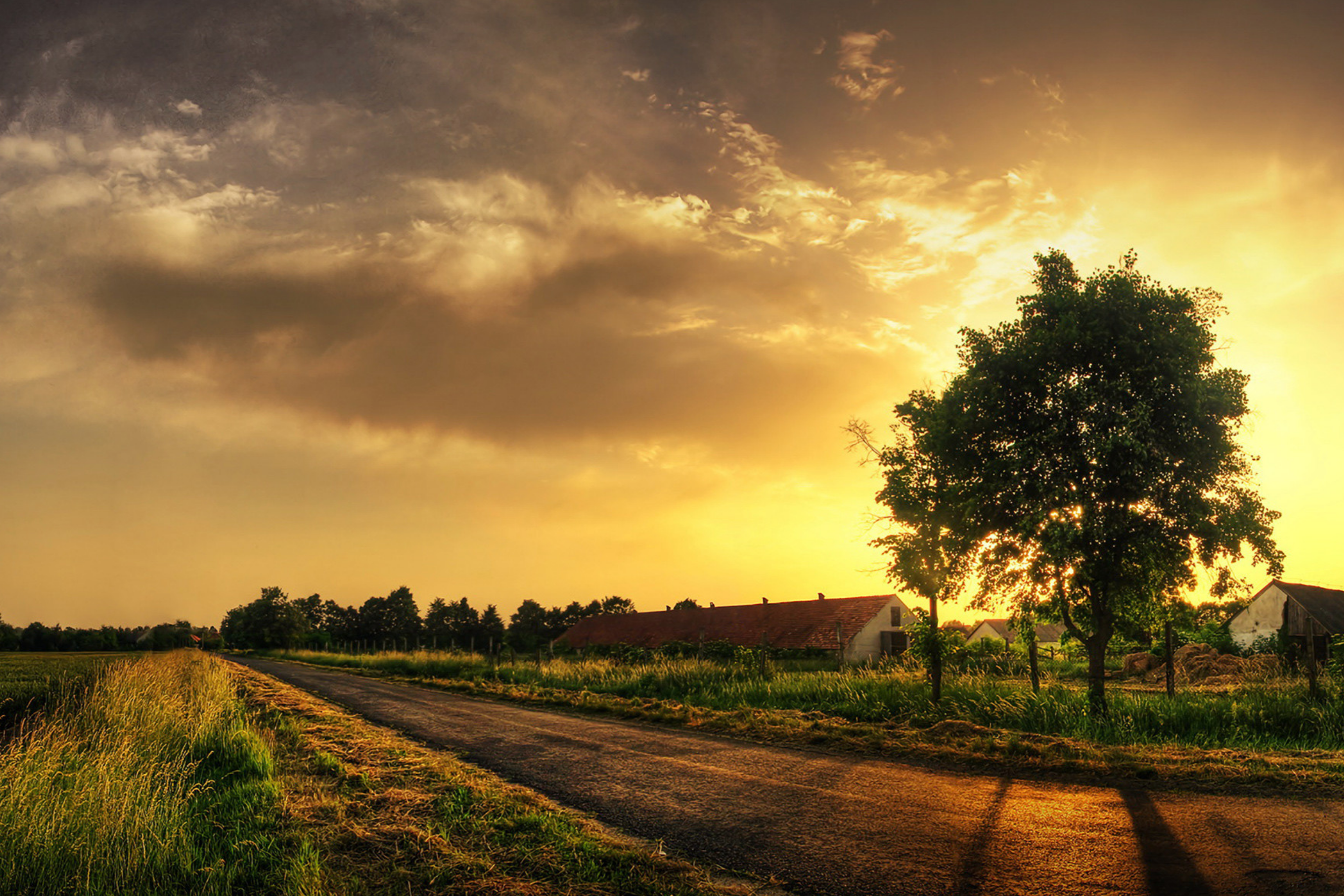
Costa Rica and the Osa Peninsula
Costa Rica itself is a hotspot of biological diversity, as innumerable species poured into the land bridge created when the two American hemispheres joined together. When the Osa Peninsula joined the mix nearly 2 million years ago, the area became a tropical landscape of unprecedented richness. It is located in the South East corner of Costa Rica, at the Pacific coast. Explore the vast primary rainforest that shelters the largest remaining population of jaguars and tapirs, surf the cerulean waves along the peninsula’s southern point and kayak through its enormous expanse of mangroves. Covering an area of just 700 square miles on the southern Pacific coast of Costa Rica, the Osa’s geological history makes it home to a nearly unparalleled amount of biodiversity. The Osa Peninsula harbors 2.5% of the biodiversity of the entire planet in less than a thousandth of a percent (0,001%) of the planets’ surface, making it the most biodiverse place on earth according to National Geographic.
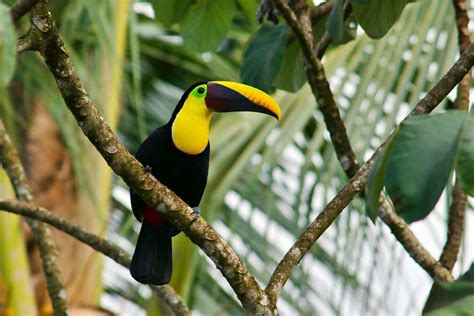
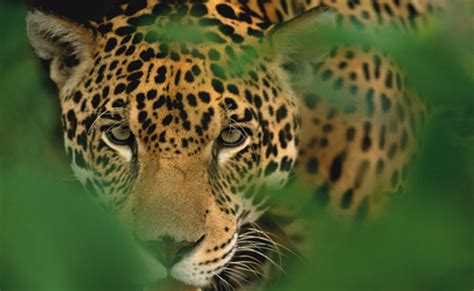
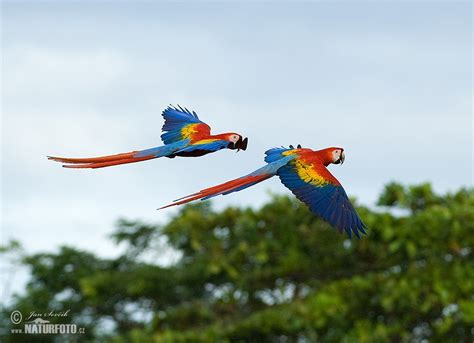
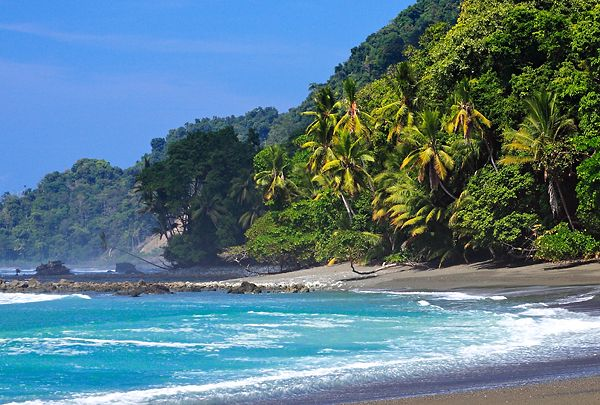
The Osa packs an unparalleled amount of land and marine species and diverse ecosystems in an incredibly small area, including:
● The most significant wetland ecosystem and mangrove forests of Central America
● The largest remaining tract of lowland rainforest in Pacific Mesoamerica
● 323 endemic species of plants and vertebrates
● The largest population of scarlet macaws in Central America
● 140 mammals, including 25 species of dolphins and whales
● More than 700 species of trees (which is more than all the Northern temperate regions combined) ● 463 species of birds
● 4 species of sea turtles